Sponge Iron, Sponge Pellet and DRI Overview for Indian Buyers
Sponge Iron, Sponge Pellet and DRI buyers need more than a basic rate. The useful quote depends on size, grade, quantity, length, source, document support, transport and receiving conditions.
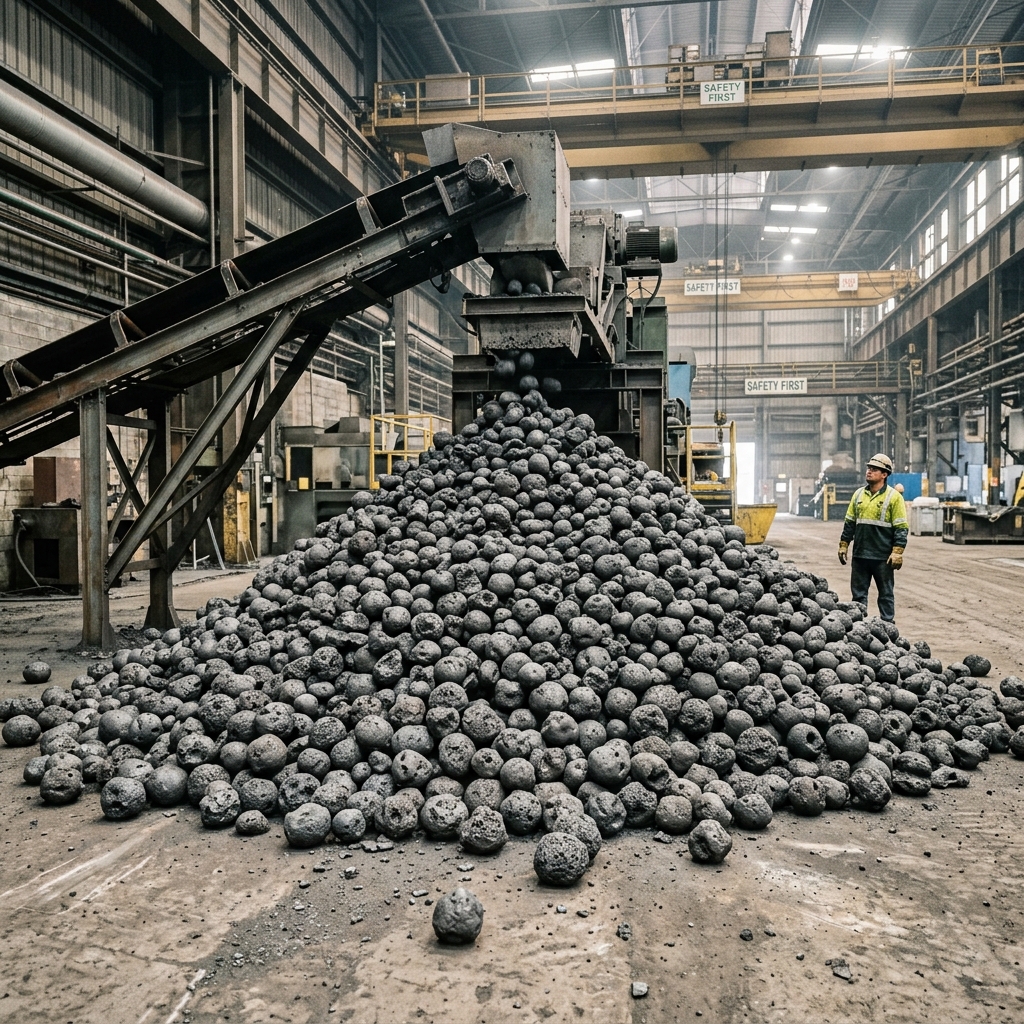
Sponge iron and DRI are used as metallic feedstock in induction furnaces, steel melting shops, foundries and rerolling-linked supply chains.
For B2B procurement, Sponge Iron, Sponge Pellet and DRI should be treated as a specification-led purchase. A clear order reduces wrong-size supply, avoids invoice correction, improves dispatch planning and gives the stores or site team a better receiving checklist.
Common Sizes and Specifications
Bulk DRI and sponge iron enquiries should mention product form, Fe value, size range, moisture, carbon, source preference and required monthly quantity.
Always write each size on a separate enquiry line. A mixed requirement should not be described only by the product name, because size and thickness change weight, price, availability and loading plan.
If the requirement is linked to an approved drawing or BOQ, keep the item description for Sponge Iron, Sponge Pellet and DRI consistent across enquiry, quotation, purchase order, invoice and stores entry.
Sponge Iron, Sponge Pellet and DRI Applications and Selection Notes
Sponge iron and DRI are used as metallic feedstock in induction furnaces, steel melting shops, foundries and rerolling-linked supply chains.
Selection should follow the end use. A maintenance buyer may prioritize availability and quick dispatch, while a project buyer may prioritize grade documentation, size tolerance and site delivery discipline.
For visible fabrication, surface condition and handling marks may matter. For hidden structural or industrial work, the key checks are usually size, grade, weight, weldability, loading plan and document availability.
Buying Checks Before Order Confirmation
Confirm chemical parameters, source, moisture, size consistency, loading point, weighment basis, transport mode and payment terms before dispatch.
The quote should mention whether pricing is ex-yard, ex-warehouse, delivered to transporter or delivered to site. GST, freight, loading, unloading and document expectations should be discussed before booking.
Before confirming Sponge Iron, Sponge Pellet and DRI, ask whether the material is available from current stock, expected arrangement, mill rolling, cutting service or third-party source. This changes lead time and rate validity.
Weight, Billing and Rate Comparison
The correct billing basis for Sponge Iron, Sponge Pellet and DRI should be agreed before dispatch. Some steel products are compared by theoretical weight, some by actual weighment, some by pieces, bundles, coils or running meters.
A lower basic rate is not always the lowest landed cost. Buyers should compare freight, GST, loading, unloading, cutting, packing, document support, payment terms and delay risk.
For repeat buying, maintain an approved Sponge Iron, Sponge Pellet and DRI size list with usual weight basis and preferred grade. This makes future quotation comparison faster and reduces accidental substitution.
Dispatch and Documentation Notes
For business buyers, useful dispatch records can include GST invoice, e-way bill where applicable, weighment support, vehicle details and MTC or TC documents where the product and source support them.
Long products, heavy plates and bulk raw materials need different vehicles and unloading arrangements. Share the delivery pincode, site contact, entry restrictions and unloading equipment before dispatch.
For Sponge Iron, Sponge Pellet and DRI, document support should be discussed before the vehicle is arranged. Asking for grade records, test certificates or extra paperwork after loading can delay movement and billing.
Common Mistakes to Avoid
The most common mistake is asking only for "Sponge Iron, Sponge Pellet and DRI rate" without size, grade, quantity, delivery location or required document support.
Another mistake is comparing two offers where one includes freight and GST while the other is only a basic ex-yard rate. The comparison should be made on the same commercial basis.
Do not approve a substitute size for Sponge Iron, Sponge Pellet and DRI only because it is available faster. Substitution can affect strength, weight, fabrication fit-up, billing and client approval.
Receiving Checklist at Site or Workshop
When Sponge Iron, Sponge Pellet and DRI reaches the site, the receiving team should compare size, quantity, invoice, vehicle details and agreed documents before unloading is closed.
Any visible shortage, wrong size, heavy rust, damage, mixed bundle or document mismatch should be recorded before the material is cut, issued or consumed.
For project supply, keep the purchase order, quotation, invoice, e-way bill, weighment slip and test certificate support together so accounts, stores and quality teams can reconcile the supply.
How to Send a Clean Enquiry
Share grade parameters, quantity in MT, delivery plant, unloading arrangement, payment terms and required test or source documents.
A clean Sponge Iron, Sponge Pellet and DRI enquiry helps RLG Ispat check stock, source, weight, freight and document readiness faster. It also gives the buyer a clearer basis for comparing offers from different suppliers.
Example format: Sponge Iron, Sponge Pellet and DRI, size and grade as per BOQ, quantity required, standard or cut length, delivery pincode, GST invoice needed, e-way bill needed, MTC or TC support if applicable, quote delivered rate with dispatch timeline.
How RLG Ispat Supports Sponge Iron, Sponge Pellet and DRI Buyers
RLG Ispat can review Sponge Iron, Sponge Pellet and DRI enquiries from fabricators, contractors, manufacturers, steel traders and industrial purchase teams that need practical supply support from Raipur-led networks.
The support flow includes requirement clarification, size-wise quotation, source and document discussion, GST billing coordination, freight planning and dispatch communication.
For faster response, send the complete requirement in one message instead of sending product name first and details later. Complete enquiries get cleaner commercial answers.
FAQs
What details are needed for a Sponge Iron, Sponge Pellet and DRI quote?
Share product size, grade, length, quantity, delivery location, billing basis, document requirement and expected dispatch date.
Can RLG Ispat support Sponge Iron, Sponge Pellet and DRI dispatch outside Raipur?
RLG Ispat can coordinate quotation and dispatch discussion for Indian buyers based on quantity, availability, route and documentation needs.
Should Sponge Iron, Sponge Pellet and DRI be compared only by basic rate?
No. Compare size, grade, weight basis, GST, freight, loading, unloading, document support, delivery timeline and supplier reliability.
When should MTC or TC support be requested?
Request certificate support before quotation when the project, consultant, client or internal quality team requires grade documentation.
